

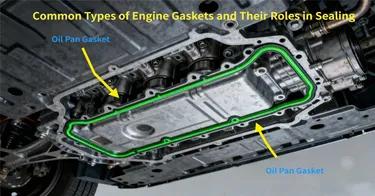
Common Types of Engine Gaskets and Their Roles in Sealing
Every engine relies on dozens of small but critical components to run smoothly—and engine gaskets are among the most vital. These thin, flexible materials act as "sealants" between rigid engine parts, preventing leaks of coolant, oil, fuel, or combustion gases. Without high-quality gaskets, even a powerful engine will fail quickly, leading to overheating, oil contamination, or costly damage.
For DIY mechanics, understanding the types of engine gaskets and their functions helps diagnose leaks faster. For B2B buyers—like repair shop owners, distributors, or fleet managers—knowing which gaskets fit specific vehicles and withstand harsh engine conditions is key to sourcing reliable inventory. As a leading wholesale engine parts supplier (Linkteco), we manufacture OEM-quality gaskets for 95% of global vehicle brands, so we’re breaking down the most common types, their roles, and why they matter for both maintenance and wholesale.
What Is an Engine Gasket?
An engine gasket is a thin, compressible material (often rubber, metal, or composite) designed to fill gaps between two or more rigid engine components. Engine parts like the cylinder block, cylinder head, and intake manifold aren’t perfectly flat—even microscopic irregularities can cause leaks. Gaskets solve this by:
- Creating a tight seal when compressed (via bolts that fasten engine parts together).
- Withstanding extreme temperatures (from -40°C in cold starts to 850°C in exhaust systems) and pressures (up to 1,000 psi in combustion chambers).
- Resisting corrosion from oils, coolants, and fuel.
The right gasket material depends on its location: For example, gaskets near the exhaust need heat-resistant metal, while gaskets in cooler areas (like the oil pan) can use flexible rubber. Linkteco’s gaskets are engineered with material-specific designs—our metal gaskets use multi-layer steel (MLS) for durability, while our rubber gaskets use EPDM or silicone for flexibility.
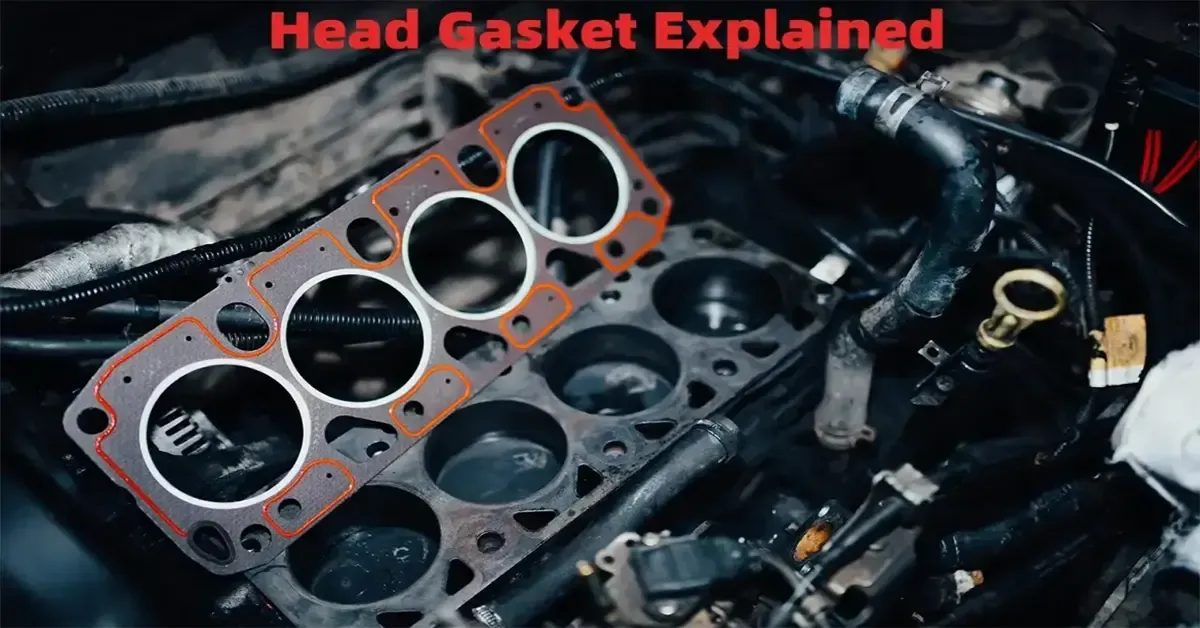
Head Gasket Explained
Key Role of the Head Gasket
The head gasket must seal three distinct fluids/gases simultaneously, making its job uniquely challenging:
- Combustion gases: Seals the high-pressure gases from the combustion chamber (up to 1,000 psi) to prevent leaks into the coolant or oil channels.
- Coolant: Separates coolant flowing between the block and head, ensuring it cools both components without mixing with oil.
- Oil: Seals oil passages that lubricate the camshaft and valve train, keeping oil from leaking into the coolant or combustion chamber.
Materials Used
Head gaskets need to handle extreme heat (up to 600°C) and pressure, so they’re typically made from:
- Multi-layer steel (MLS): The most common material for modern engines (e.g., Toyota Camry, Ford F-150). MLS gaskets have 3–5 thin steel layers bonded with rubber, offering superior strength and leak resistance.
- Graphite: Used in older or heavy-duty engines (e.g., diesel trucks). Graphite is self-lubricating and conforms well to uneven surfaces, but is less durable than MLS.
Linkteco’s head gaskets are 100% OEM-compatible—our MLS gaskets undergo pressure testing at 1,200 psi to ensure no leaks, making them ideal for wholesale buyers serving repair shops.
Signs of a Failed Head Gasket
A blown head gasket is a major issue—look for these red flags:
- White, sweet-smelling smoke from the exhaust (coolant leaking into the combustion chamber).
- Milky, frothy oil on the dipstick (coolant mixing with oil).
- Overheating engine (coolant leaking out of the seal, reducing cooling capacity).
Intake and Exhaust Manifold Gaskets
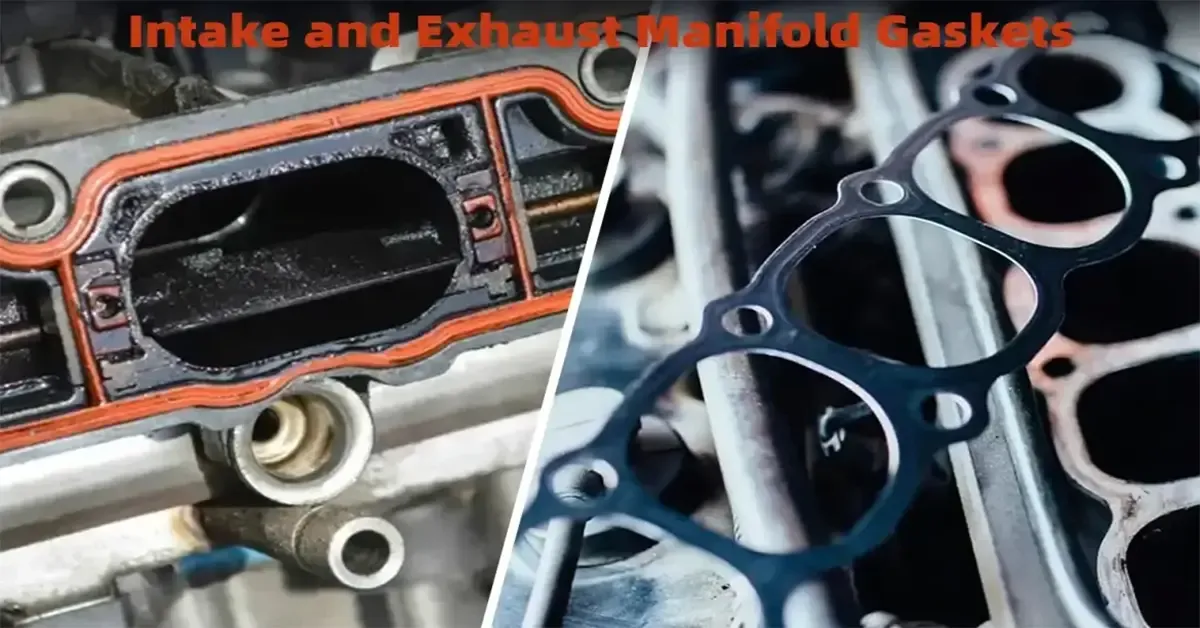
1. Intake Manifold Gasket
The intake manifold gasket sits between the intake manifold (which delivers air-fuel mixture to the cylinders) and the cylinder head.
Key Role
- Seals the air-fuel mixture inside the intake manifold, preventing leaks that reduce engine efficiency. A leaking intake gasket can cause a 10–15% drop in fuel economy and power.
- Separates the intake manifold from coolant passages (many intake manifolds have coolant channels to warm the air-fuel mixture in cold weather).
Materials
Intake gaskets face moderate temperatures (up to 200°C) and low pressure, so they’re often made from:
- EPDM rubber: Flexible and resistant to oil/coolant.
- Composite materials: Rubber bonded to a metal core for added strength (used in high-performance engines).
Linkteco’s intake manifold gaskets are pre-cut to fit specific vehicle models (e.g., Honda Civic, BMW 3 Series) and include alignment pins to make installation easier— a popular feature for wholesale buyers supplying busy repair shops.
2. Exhaust Manifold Gasket
The exhaust manifold gasket seals the exhaust manifold (which collects waste gases from the cylinders) to the cylinder head.
Key Role
- Contains extremely hot exhaust gases (up to 850°C) and high pressure, preventing leaks that cause loud noise, reduced engine performance, and potential burns to nearby components.
- Resists corrosion from acidic exhaust gases (a common issue in older gaskets).
Materials
Exhaust gaskets need extreme heat resistance, so they’re made from:
- Metal graphite: A mix of metal (steel or copper) and graphite, which withstands high temperatures and conforms to uneven surfaces.
- Multi-layer steel (MLS): Used in modern turbocharged engines (e.g., Ford EcoBoost) to handle higher pressure and heat.
Linkteco’s exhaust manifold gaskets are tested in high-temperature chambers to ensure they don’t crack or shrink—critical for wholesale buyers serving clients with heavy-duty or performance vehicles.
Valve Cover and Oil Pan Gaskets
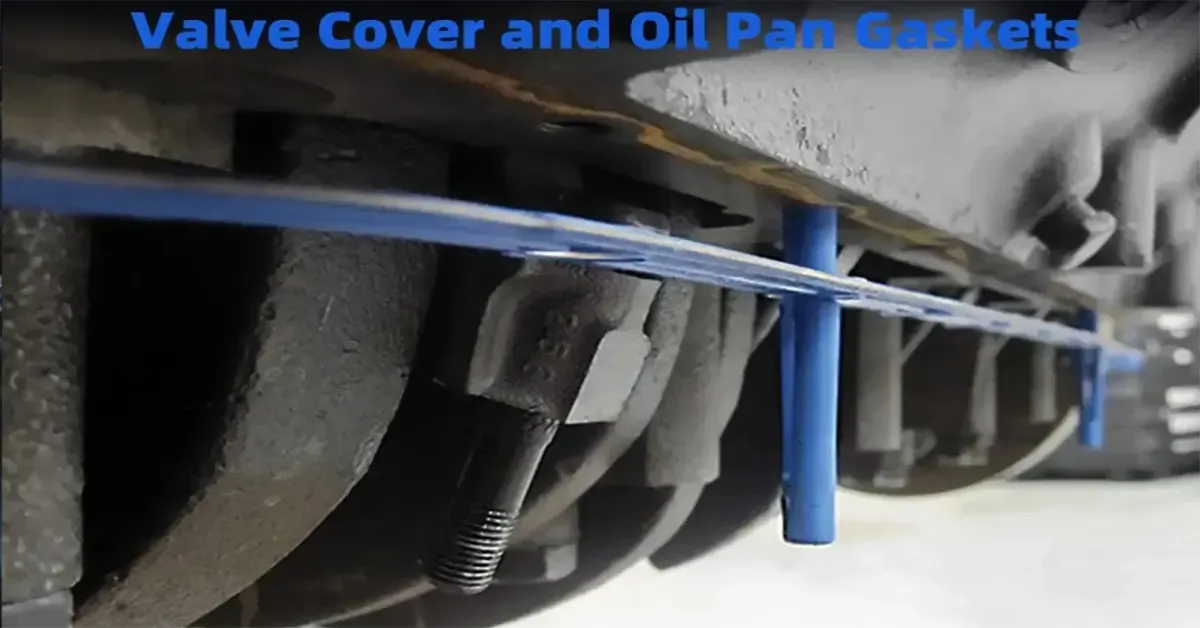
1. Valve Cover Gasket
The valve cover gasket sits between the valve cover (a plastic or metal cover on top of the cylinder head) and the cylinder head. It seals the valve train (camshaft, valves, lifters) inside the valve cover.
Key Role
- Prevents oil from leaking out of the valve cover onto the engine’s exterior. A leaking valve cover gasket leaves oil stains on the cylinder head and can lead to low oil levels if left unaddressed.
- Keeps dirt and debris out of the valve train, which can cause premature wear to camshafts and valves.
Materials
Valve cover gaskets face low temperatures (up to 150°C) and low pressure, so they’re typically made from:
- Silicone rubber: Flexible and durable, with good resistance to oil and heat.
- Neoprene: A cost-effective option for older, non-performance engines.
Linkteco’s valve cover gaskets come with pre-applied adhesive to simplify installation— a time-saver for repair shops, making them a top-seller in our Gaskets Wholesale category.
2. Oil Pan Gasket
The oil pan gasket seals the oil pan (a metal or plastic pan at the bottom of the engine block) to the engine block. It’s one of the most visible gaskets, as leaks are easy to spot on the ground.
Key Role
- Contains engine oil in the oil pan, where it’s stored before being pumped to lubricate moving parts (crankshaft, pistons, etc.).
- Prevents dirt, water, and road debris from entering the oil pan and contaminating the oil.
Materials
Oil pan gaskets need to withstand oil exposure and minor impacts (from road debris), so they’re made from:
- Rubber: Flexible and easy to install, ideal for passenger cars.
- Cork-rubber composite: Used in older trucks and heavy-duty engines for added durability.
Linkteco’s oil pan gaskets are designed with a reinforced edge to resist tearing during installation— a common complaint with cheaper gaskets. We offer gaskets for both standard (4L oil capacity) and large (10L oil capacity) oil pans, covering trucks, SUVs, and passenger cars.
Other Important Types of Engine Gaskets
While the gaskets above are the most common, modern engines use many others, including:
Timing Cover Gasket – seals the timing chain or belt cover to prevent oil leakage.
Water Pump Gasket – prevents coolant leaks where the pump mounts to the block.
Thermostat Gasket – seals the thermostat housing.
Fuel Injector O-Rings (technically seals) – prevent fuel leaks.
Turbocharger Gaskets – withstand extreme heat and pressure around turbo connections.
👉 These smaller gaskets are often grouped into gasket kits, making them attractive for bulk buyers who want all-in-one solutions.
Why Gaskets Fail and How to Identify Problems
Even high-quality gaskets fail over time—here’s why, and how to spot issues early:
Common Causes of Gasket Failure
- Heat Aging: Extreme temperature cycles (hot engine, cold start) cause gaskets to harden, crack, or shrink. This is most common in head gaskets and exhaust manifold gaskets.
- Incorrect Installation: Over-tightening or under-tightening bolts can damage gaskets (e.g., crushing a rubber gasket or not compressing an MLS gasket enough).
- Engine Vibration: Long-term vibration (common in trucks and off-road vehicles) loosens bolts, reducing gasket compression and causing leaks.
- Fluid Contamination: Leaking coolant or oil can degrade gasket materials (e.g., coolant breaks down rubber gaskets over time).
How to Identify Gasket Leaks
- Head gasket: White smoke from exhaust, milky oil, overheating.
- Intake manifold gasket: Rough idling, reduced fuel economy, and a hissing noise from the intake.
- Exhaust manifold gasket: Loud exhaust noise, burning smell (from leaked gases hitting nearby components).
- Valve cover gasket: Oil stains on the top of the engine, oil on spark plug wires.
- Oil pan gasket: Puddles of oil under the car (black, slippery fluid).
For wholesale buyers, educating clients on these signs helps drive repeat business—Linkteco includes a "leak diagnosis guide" with bulk gasket orders to support repair shops.
Wholesale Demand for Engine Gaskets
The global engine gasket market is driven by two key factors: the growing number of aging vehicles (needing gasket replacements) and the expansion of the aftermarket repair industry. For B2B buyers, here’s why sourcing gaskets from a manufacturer like Linkteco makes sense:
1. High Volume, Steady Demand
Gaskets are "consumable" parts—every engine repair involving the cylinder head, intake manifold, or oil pan requires new gaskets. Repair shops and fleet managers need a reliable supply, making gaskets a consistent wholesale product.
2. OEM Compatibility Is Critical
Buyers need gaskets that fit specific makes and models (e.g., a Toyota Corolla head gasket won’t fit a Ford F-150). Linkteco’s catalog includes 10,000+ gasket SKUs, covering American, European, Japanese, and Korean vehicles. Our gaskets match OEM dimensions to 0.01mm, ensuring a perfect fit.
3. Cost Savings for Bulk Orders
Linkteco offers tiered pricing for wholesale buyers:
- 100–500 units: 30% off retail.
- 500–1,000 units: 40% off retail.
- 1,000+ units: Custom pricing + free shipping.
We also stock 85% of our gaskets in our 107,000 sq ft warehouse, ensuring 7–25 day delivery for most orders—critical for buyers who can’t afford stockouts.
4. Customization for Niche Markets
For buyers serving niche industries (e.g., vintage cars, racing engines), Linkteco offers custom gasket manufacturing. We can create gaskets from sample parts or OEM diagrams, with minimum order quantities (MOQs) as low as 50 units.
FAQ
1. Which engine gasket fails most often?
The head gasket fails most frequently due to the extreme heat and pressure it endures. A 2023 automotive repair survey found that head gasket replacements account for 40% of all gasket-related repairs. Linkteco’s MLS head gaskets have a 50% longer lifespan than standard gaskets, reducing repeat replacements.
2. Can you reuse engine gaskets?
No—gaskets are designed for one-time use. When compressed during installation, their material (rubber, metal) deforms permanently. Reusing a gasket will almost always cause leaks, leading to costly re-repairs. Linkteco includes a "do not reuse" label on all gasket packaging to remind users.
3. How do I choose the right gasket for a specific engine?
Follow the three steps:
- Identify the engine model (e.g., Honda K20C1, Ford 5.0L Coyote).
- Determine the gasket type (head, intake, etc.) and required material (MLS for head gaskets, silicone for valve cover gaskets).
- Verify OEM part numbers (Linkteco’s catalog cross-references OEM numbers for easy lookup).
Our customer service team can also help with — just share the vehicle make/model, and we’ll recommend the right gasket.
4. Are metal gaskets better than rubber gaskets?
It depends on the location:
- Metal gaskets (MLS, graphite): Better for high-heat, high-pressure areas (head, exhaust manifold).
- Rubber gaskets (EPDM, silicone): Better for low-heat, low-pressure areas (valve cover, oil pan) due to their flexibility.
Linkteco’s product descriptions clearly note which materials are best for each application.
Conclusion
Engine gaskets may be small, but they’re the unsung heroes of engine reliability. Whether you’re a DIY mechanic fixing a leak or a wholesale buyer sourcing inventory, choosing the right gasket type and material is critical to long-lasting engine performance.
As a manufacturer with 15+ years of experience, Linkteco delivers OEM-quality gaskets at wholesale prices—with the inventory, compatibility, and customization options to meet your needs.
- For repair shops or distributors: Browse our Gaskets Wholesale category to view our full product line.
- For custom orders or questions: Visit our Contact Page to connect with our sales team.
- For more engine part knowledge: Explore our Linkteco Homepage for guides, glossaries, and product updates.
Don’t let low-quality gaskets ruin your engine or your business—trust Linkteco for reliable, durable sealing solutions.

Contact
©2026 LinkTeco All Rights Reserved.