

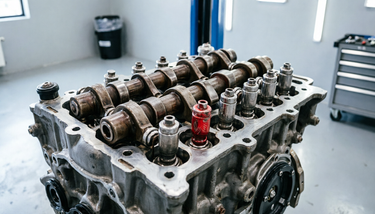
GM 5.3L V8 AFM Problems: Causes, Symptoms, and Proven Fixes
GM 5.3L V8 AFM Problems: Causes, Symptoms, and Proven Fixes
The GM 5.3L EcoTec3 V8 engine is a powerhouse found in millions of vehicles, including the Chevrolet Silverado, GMC Sierra, Tahoe, and Yukon. Known for its robust performance and towing capacity, it has become a staple for truck enthusiasts across North America. However, beneath its reliable exterior lies a controversial feature: Active Fuel Management (AFM), also known as Displacement on Demand (DoD).
While AFM was designed to improve fuel economy by shutting down half of the engine's cylinders under light load, it has gained a notorious reputation among GM owners for causing premature lifter failure, excessive oil consumption, and catastrophic engine damage. If you own a GM truck or SUV with a 5.3L V8, understanding these risks is crucial to protecting your investment.
In this comprehensive guide, we will dissect the common GM 5.3L V8 AFM problems, help you diagnose early warning signs, and explore proven solutions—from preventative maintenance to high-performance AFM delete kits—to keep your engine running smoothly for years to come.
Key Takeaways
- AFM Complexity: The mechanical complexity of AFM lifters makes them prone to failure, leading to costly repairs.
- Early Detection: Recognizing symptoms like lifter tick and misfire codes early can prevent total engine failure.
- Proactive Solutions: Upgrading to non-AFM components or using an AFM delete kit offers a permanent fix for reliability.
- Maintenance Matters: Using high-quality synthetic oil and monitoring oil levels are critical for AFM-equipped engines.
Understanding the Problem: Common AFM Issues in GM 5.3L Engines
Active Fuel Management works by using special lifters that can collapse to keep the valves closed on specific cylinders, effectively turning a V8 into a V4. While innovative, this system introduces significant stress points. Here are the three most common symptoms indicating your AFM system is failing:
1. The Dreaded Lifter Tick and Misfire Codes
The most iconic sign of AFM failure is a persistent ticking or tapping noise from the engine bay, often referred to as the "lifter tick." This noise occurs when an AFM lifter fails to lock in the raised position or collapses entirely. As the lifter fails, it can cause the pushrod to bend or the camshaft lobe to wear down, triggering misfire codes such as P0300 (Random/Multiple Cylinder Misfire Detected) or specific cylinder misfires (P0301-P0308).
2. Excessive Oil Consumption
AFM systems rely heavily on precise oil pressure to operate the locking mechanisms within the lifters. When these components wear out, they can allow excess oil to enter the combustion chamber, leading to burning oil. Owners often report needing to add a quart of oil every 1,000 miles or less. Low oil levels further exacerbate the problem, creating a vicious cycle of starvation and failure.
3. Reduced Performance and Rough Idling
A failing AFM system can disrupt the engine's balance, leading to rough idling, hesitation during acceleration, and a noticeable drop in power. The Engine Control Unit (ECU) may struggle to manage the transition between V4 and V8 modes, resulting in a jerky driving experience.
Why Do AFM Lifters Fail?
The root cause is often mechanical wear combined with oil flow restrictions. The tiny oil passages in AFM lifters are susceptible to clogging from sludge or debris. Additionally, the constant switching between active and inactive states puts immense physical stress on the lifter components, leading to fatigue and eventual collapse.
Diagnostic Steps: Is Your AFM System Failing?
Before jumping into repairs, it's essential to confirm that AFM is the culprit. Here is a step-by-step approach to diagnosing the issue:
- Scan for Error Codes: Use a reliable OBDII scanner to read diagnostic trouble codes (DTCs). Look for misfire codes and any specific AFM-related codes. Some advanced scanners can also monitor AFM solenoid performance.
- Visual and Audio Inspection: With the engine running, use a mechanic's stethoscope or a long screwdriver (carefully!) to listen to each cylinder head. A distinct ticking sound from a specific cylinder often points to a bad lifter. Check for oil leaks around the valve covers and lifter valley.
- Check Oil Pressure: Low oil pressure can trigger AFM faults. Use a mechanical gauge to verify that your oil pressure meets GM specifications. Inconsistent pressure may indicate a failing oil pump or clogged pickup tube.
- Professional Assessment: If you are uncomfortable removing valve covers, seek professional help. A mechanic can perform a leak-down test or remove the valve covers to inspect the lifters and pushrods directly for wear or bending.
Solution 1: Maintenance and Preventative Measures
If your AFM system is still functioning correctly, or if you want to delay potential issues, rigorous maintenance is your best defense. While this won't eliminate the design flaw, it can mitigate the risks.
- High-Quality Synthetic Oil: Always use GM-approved dexos1™ full synthetic oil. Synthetic oils provide better protection against heat and sludge buildup, which is critical for the small oil passages in AFM lifters.
- Frequent Oil Changes: Consider changing your oil every 3,000 to 5,000 miles, rather than following the extended intervals suggested by the Oil Life Monitor. Fresh oil ensures optimal pressure and cleanliness.
- Oil Additives: Some owners report success using oil additives designed to reduce friction and clean engine internals. While not a cure-all, they may help maintain lifter health.
- Monitor Oil Levels: Check your dipstick weekly. Topping off oil promptly can prevent the low-pressure conditions that lead to lifter collapse.
Solution 2: Aftermarket Fixes and AFM Delete Kits
For many GM owners, the only way to truly fix AFM lifter failure is to eliminate the system entirely. This is where an AFM delete kit comes into play.
What is an AFM Delete Kit?
An AFM delete kit replaces the complex, failure-prone AFM lifters with standard, non-AFM lifters. It also includes new pushrods and often a new valley cover or oil deflector. By swapping these components, the engine runs in V8 mode 100% of the time, removing the mechanical stress associated with cylinder deactivation.
Benefits of Disabling AFM
- Improved Reliability: Eliminates the risk of lifter collapse and camshaft wear.
- Consistent Power: Your engine delivers full V8 power at all times, improving throttle response and towing capability.
- Peace of Mind: No more worrying about sudden engine failure or expensive repairs down the road.
When choosing a kit, look for high-quality materials and reputable brands that specialize in GM performance parts. Installation typically requires removing the valve covers and intake manifold, so it's a moderate-to-advanced DIY job or a quick task for a professional mechanic.
Solution 3: ECU Tuning and Software Solutions
If you prefer to avoid hardware changes, or if you want to complement your hardware delete, ECU tuning is a viable option. Custom tuning allows you to disable the AFM function via software, preventing the ECU from attempting to switch to V4 mode.
Software-Only vs. Hardware Kits
Pros of Tuning: It's less invasive and can be done without opening the engine. It stops the electrical signals to the AFM solenoids.
Cons of Tuning: If you have already experienced lifter tick, tuning alone won't fix the mechanical damage. The AFM lifters remain in the engine, and while they won't be activated, they are still heavier and more complex than standard lifters. For a complete fix, combining a tune with a hardware delete is the gold standard.
Recommended tuning providers offer custom calibrations that not only disable AFM but can also optimize shift points, torque management, and fuel maps for a better overall driving experience.
Conclusion: Protecting Your Investment
The GM 5.3L V8 is a capable engine, but its AFM system is a weak link that can lead to severe headaches and hefty repair bills. Whether you choose to stay vigilant with maintenance, opt for a software tune, or install a robust AFM delete kit, taking action is essential. Ignoring the signs of lifter failure can result in catastrophic engine damage, turning a manageable repair into a full engine replacement.
Don't let AFM problems sideline your truck. Take control of your vehicle's performance and reliability today.
Ready to Upgrade Your GM Truck?
Browse our collection of high-performance parts, including premium AFM delete kits, upgraded lifters, and tuning solutions designed specifically for the GM 5.3L V8. Ensure your engine runs stronger, smoother, and longer.
Shop Now and drive with confidence!

Contact
Linkteco is a global brand of Ningbo Demier Auto Parts Co., Ltd.
©2026 LinkTeco All Rights Reserved.